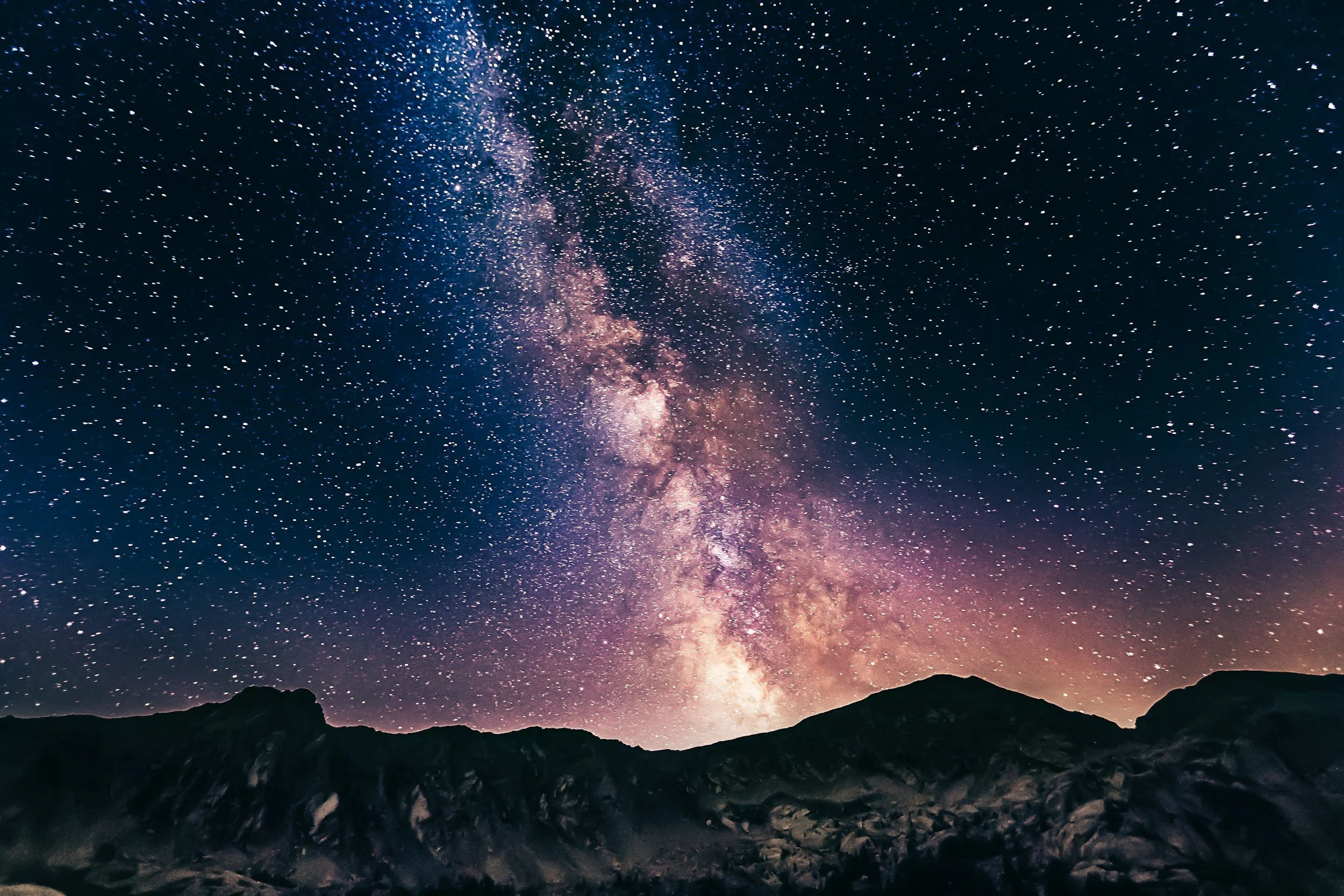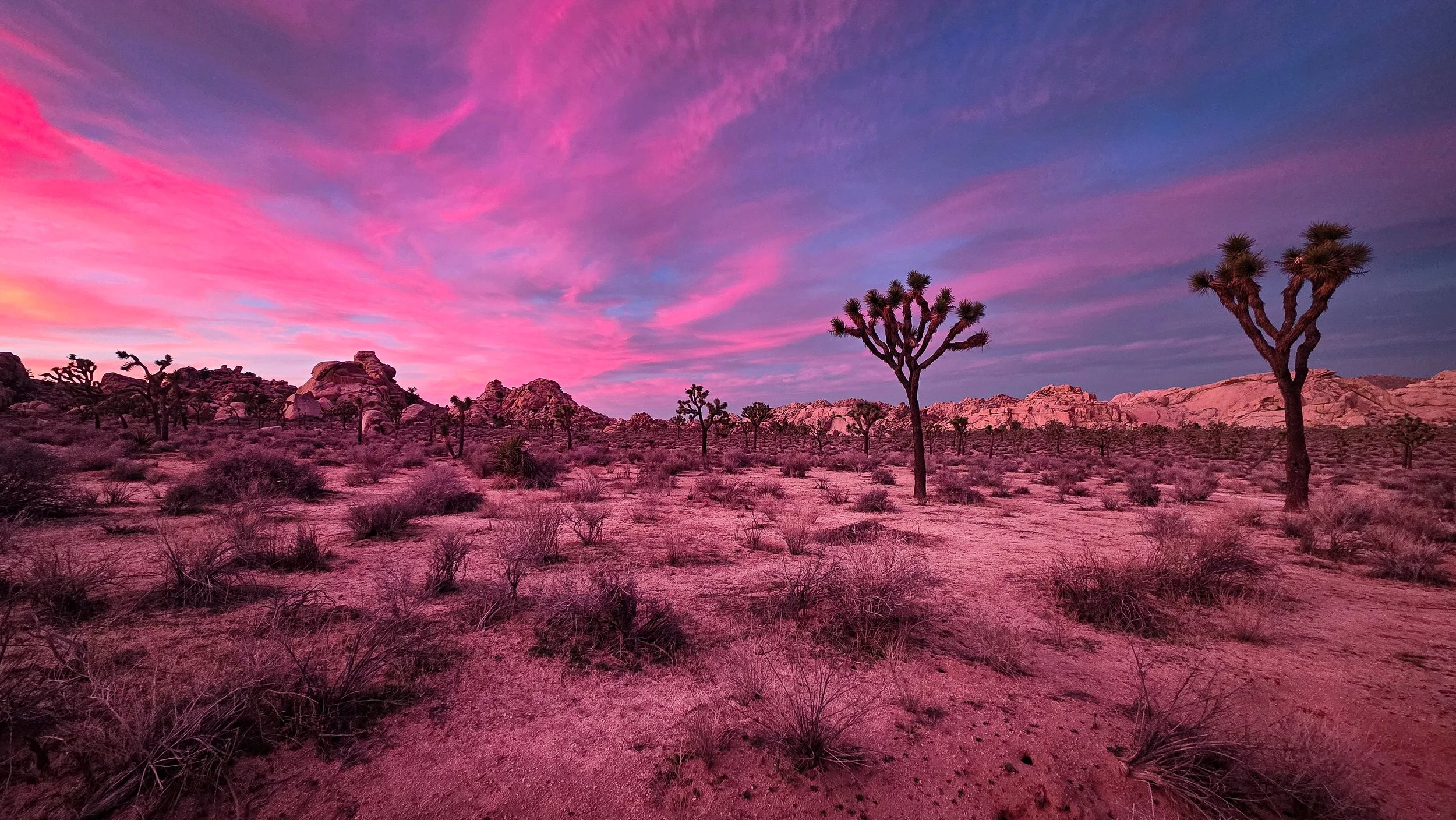
What becomes clear when there’s less noise?
Different Landscapes, Different Medicines: Desert
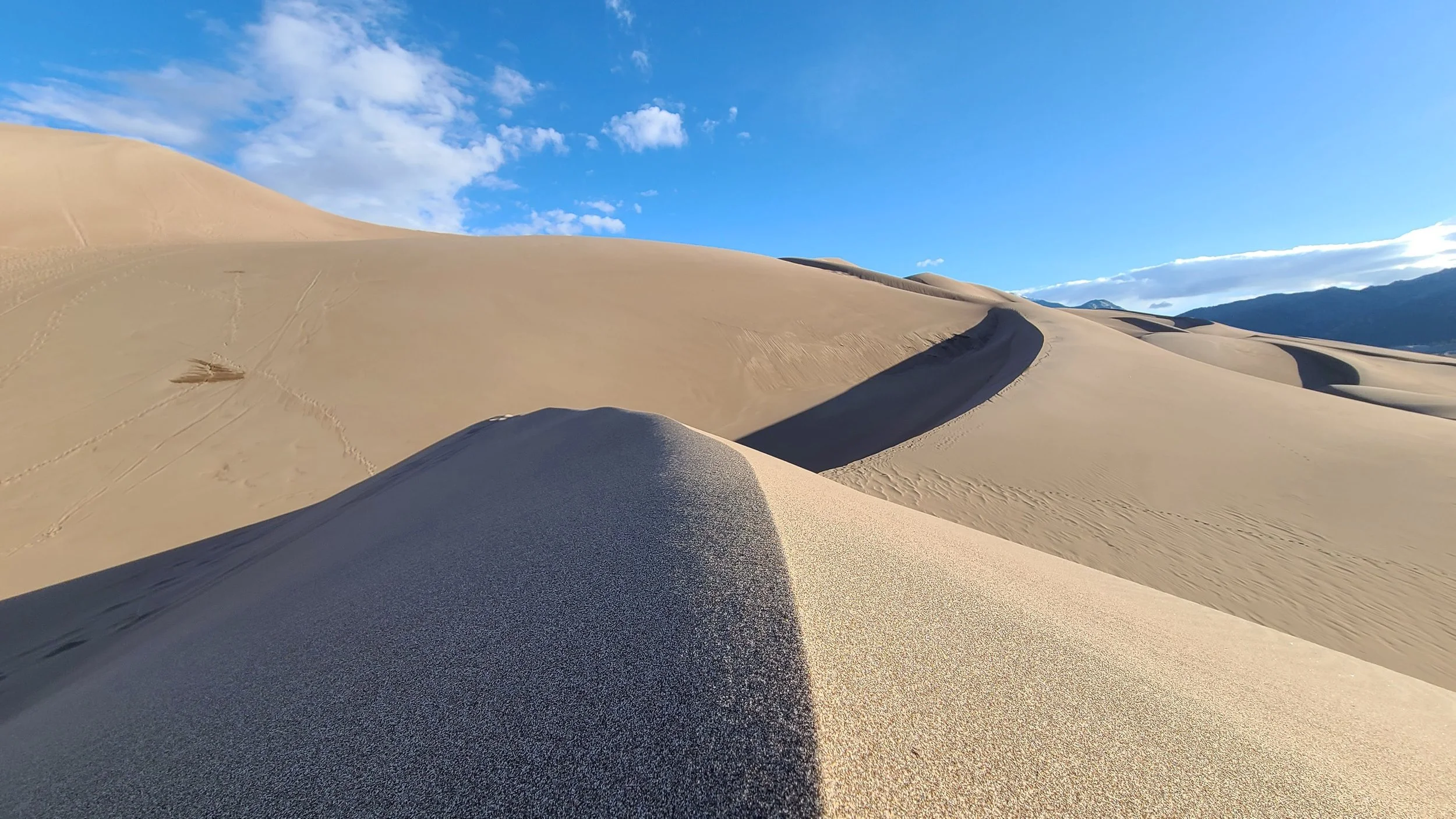
🏜️ DESERT MEDICINE
Clarity Emerges Through Simplicity
Best for: Clarity • Focus • Boundaries • Enoughness • Stress Relief
Deserts offer the medicine of simplicity. They invite us to slow down, conserve energy, and pay attention to what truly matters. Through spacious horizons, fewer distractions, and rhythms shaped by light, weather, and adaptation, desert landscapes help us reconnect with clarity, intentionality, and enoughness.
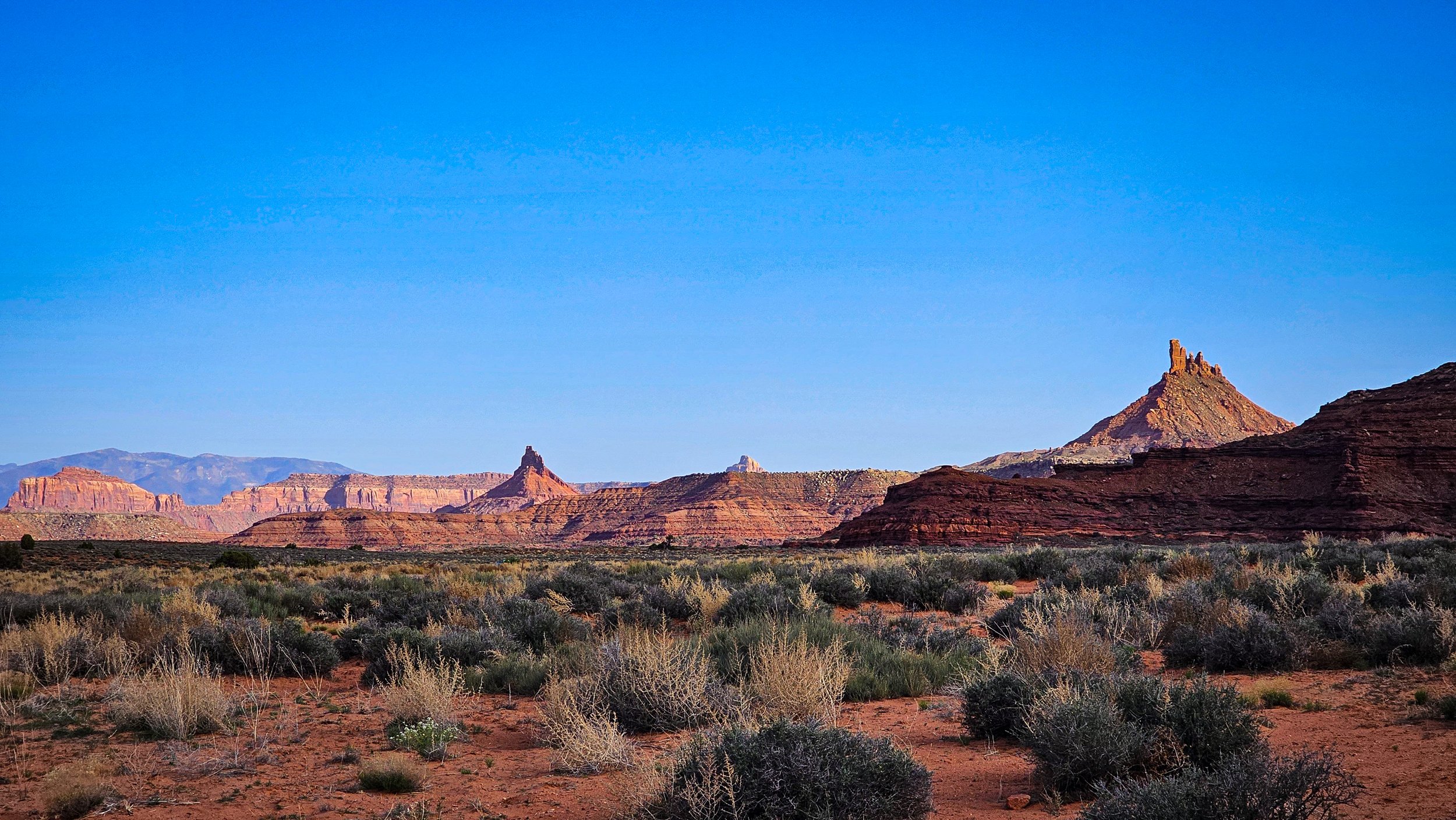
You might need desert medicine if…
✓ Life feels noisy, crowded, or overwhelming
✓ You have too many competing priorities
✓ Your attention feels fragmented
✓ You’re craving simplicity
✓ You want clearer boundaries
✓ You’re navigating a major transition
✓ You need help distinguishing what matters from what doesn’t
Why Deserts Matter
The benefits of desert landscapes for well-being, clarity, and connection
Deserts are often misunderstood as empty places.
In reality, deserts are among the most diverse, adaptive, and resilient ecosystems on Earth. Life thrives here through relationship, timing, conservation, and responsiveness to changing conditions. Every plant, animal, and living system has learned how to use energy intentionally.
There is wisdom in that.
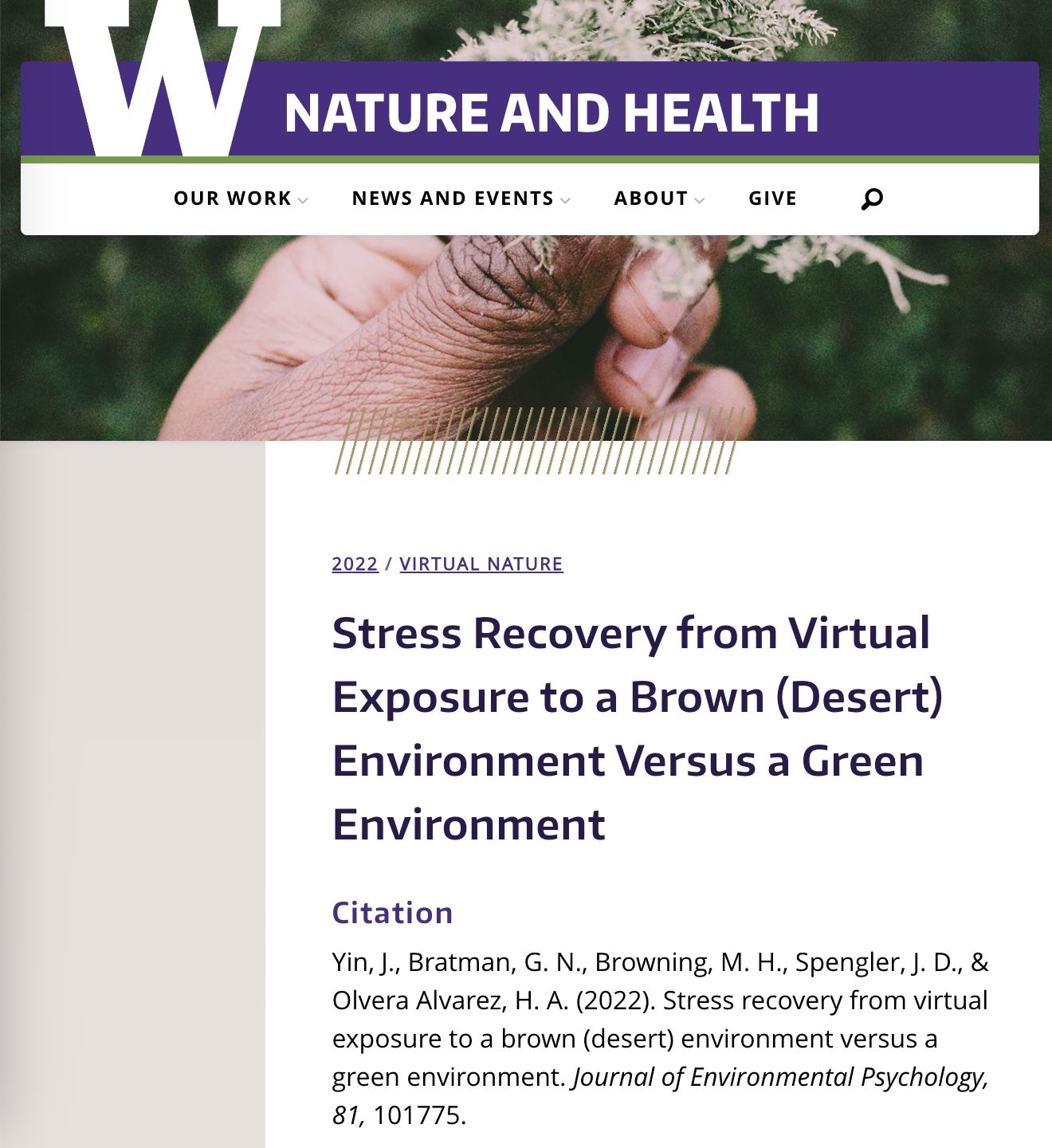
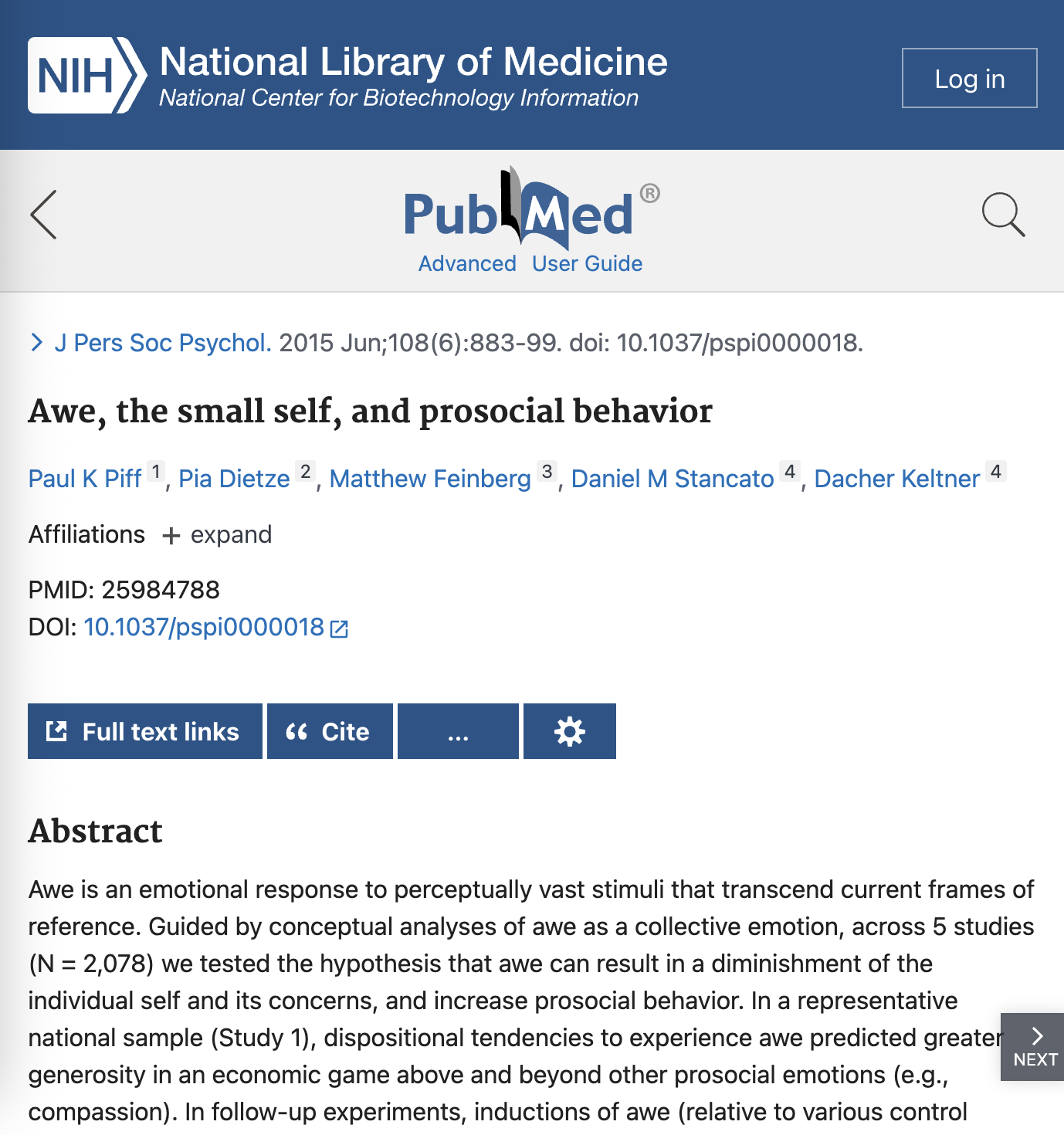
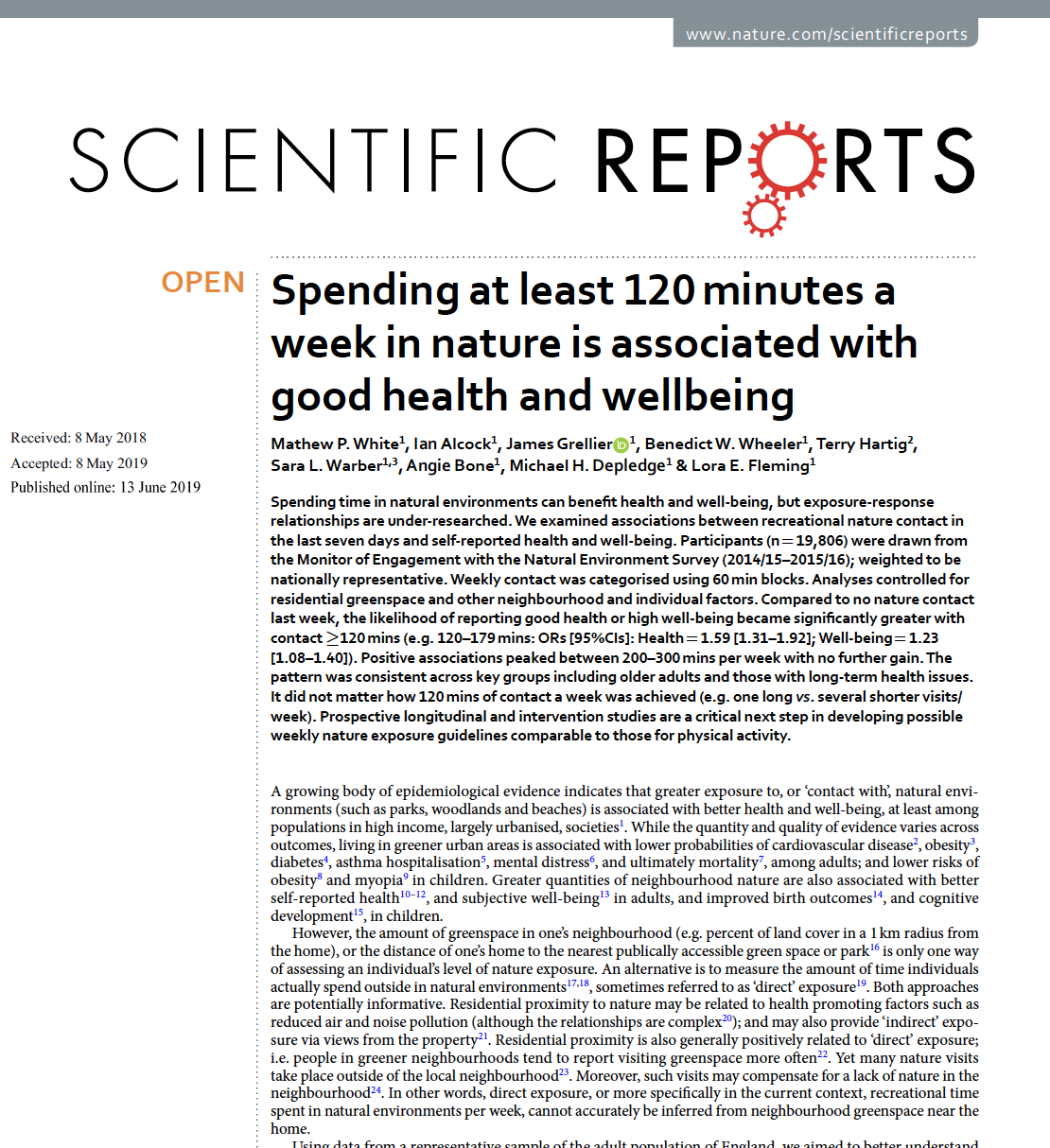
Research suggests natural environments can support stress recovery, cognitive restoration, emotional well-being, and perspective. Desert landscapes offer a unique version of these benefits through reduced sensory input, expansive visibility, quiet, and opportunities to slow down enough to notice what has been crowded out by noise and urgency.
Deserts have a way of revealing what is essential.
At Reciprocity Rx™, we believe deserts are more than landscapes. They are teachers.
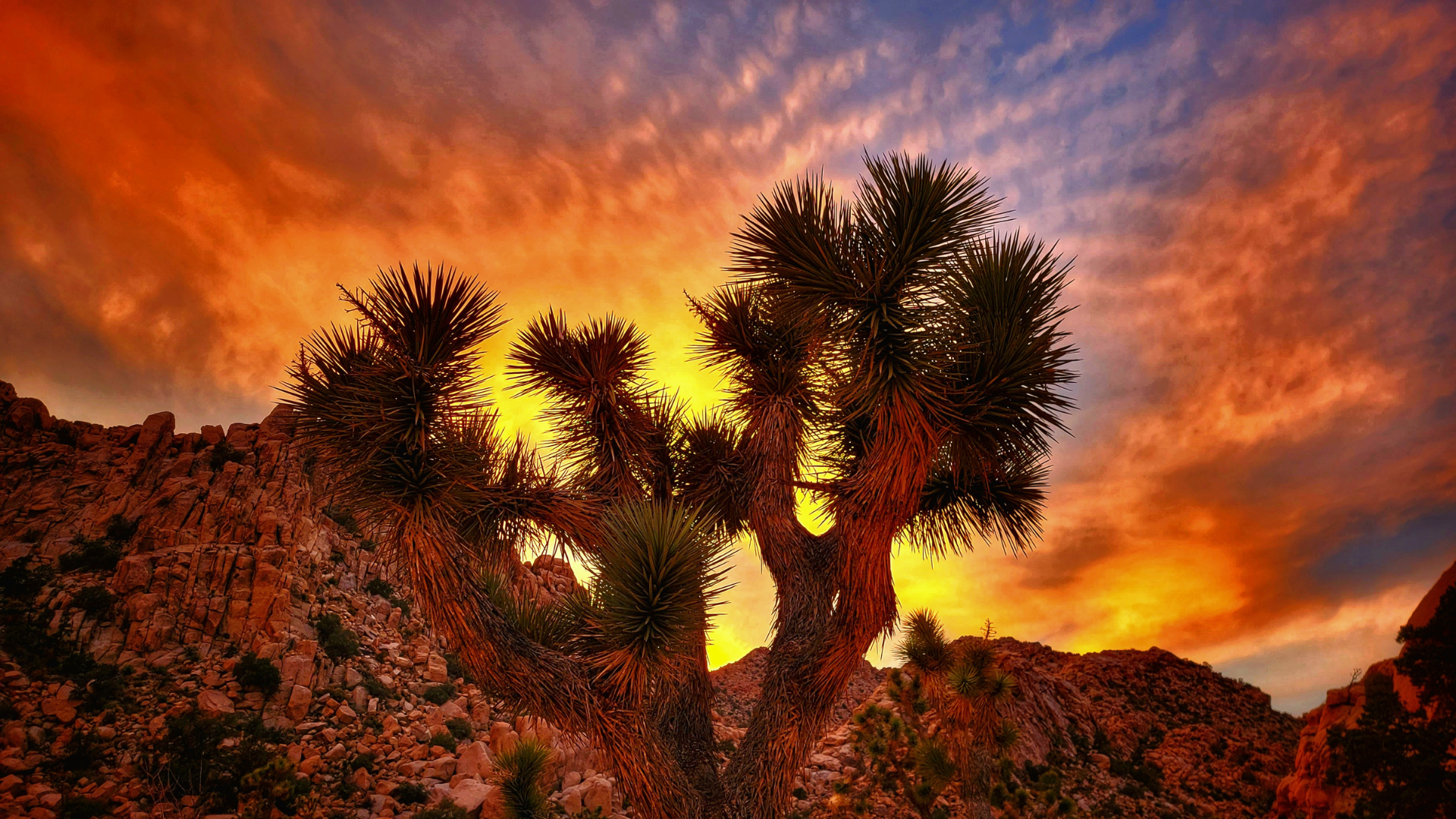
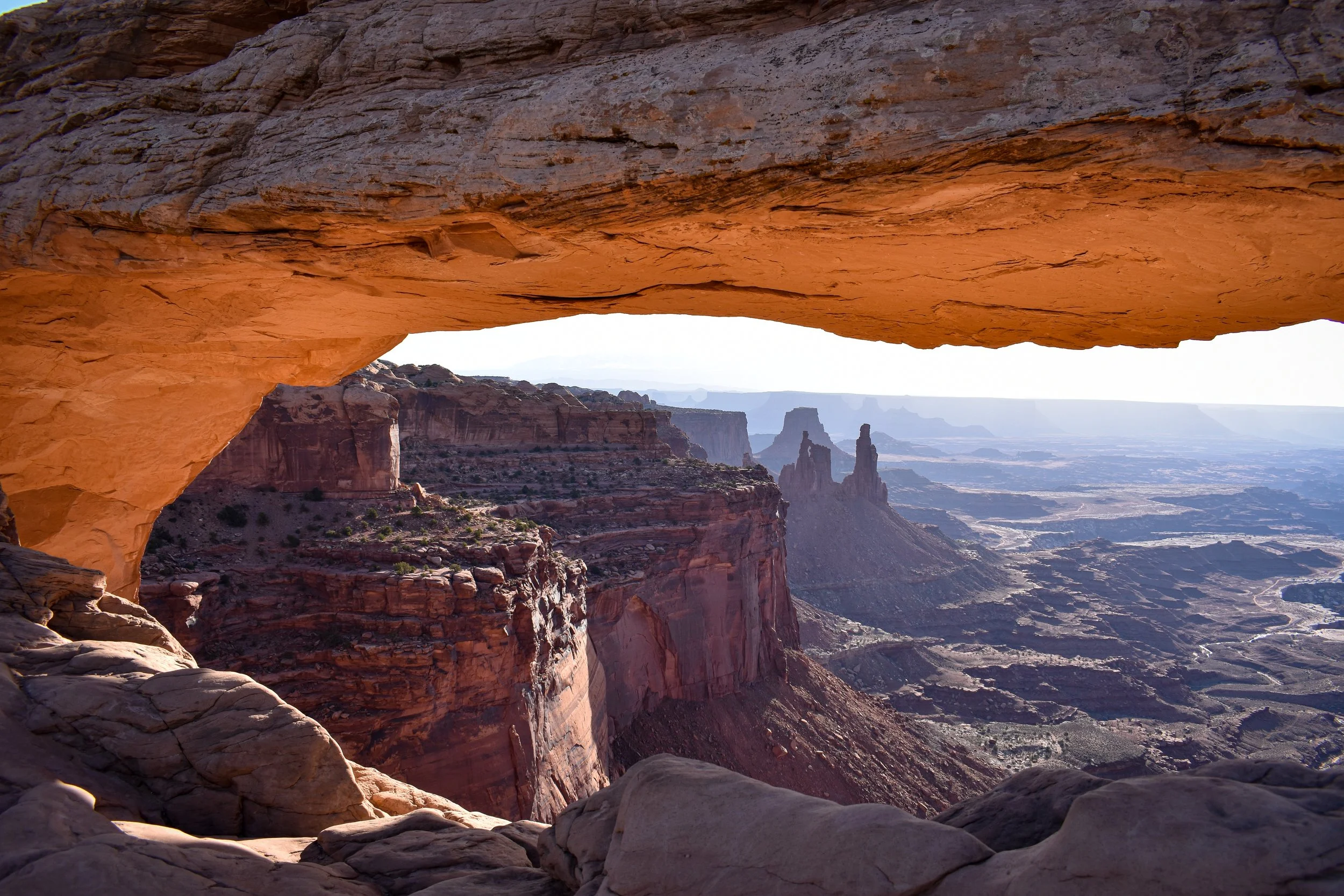
Whether you’re watching sunrise over a canyon, sitting beneath a Joshua tree, walking a desert trail, or simply allowing yourself a few moments of quiet, desert landscapes invite reflection, honesty, and the possibility of living with greater intention.
Below, you’ll find research, resources, and practices to help you explore the connection between deserts, clarity, and well-being.
What the Desert Teaches
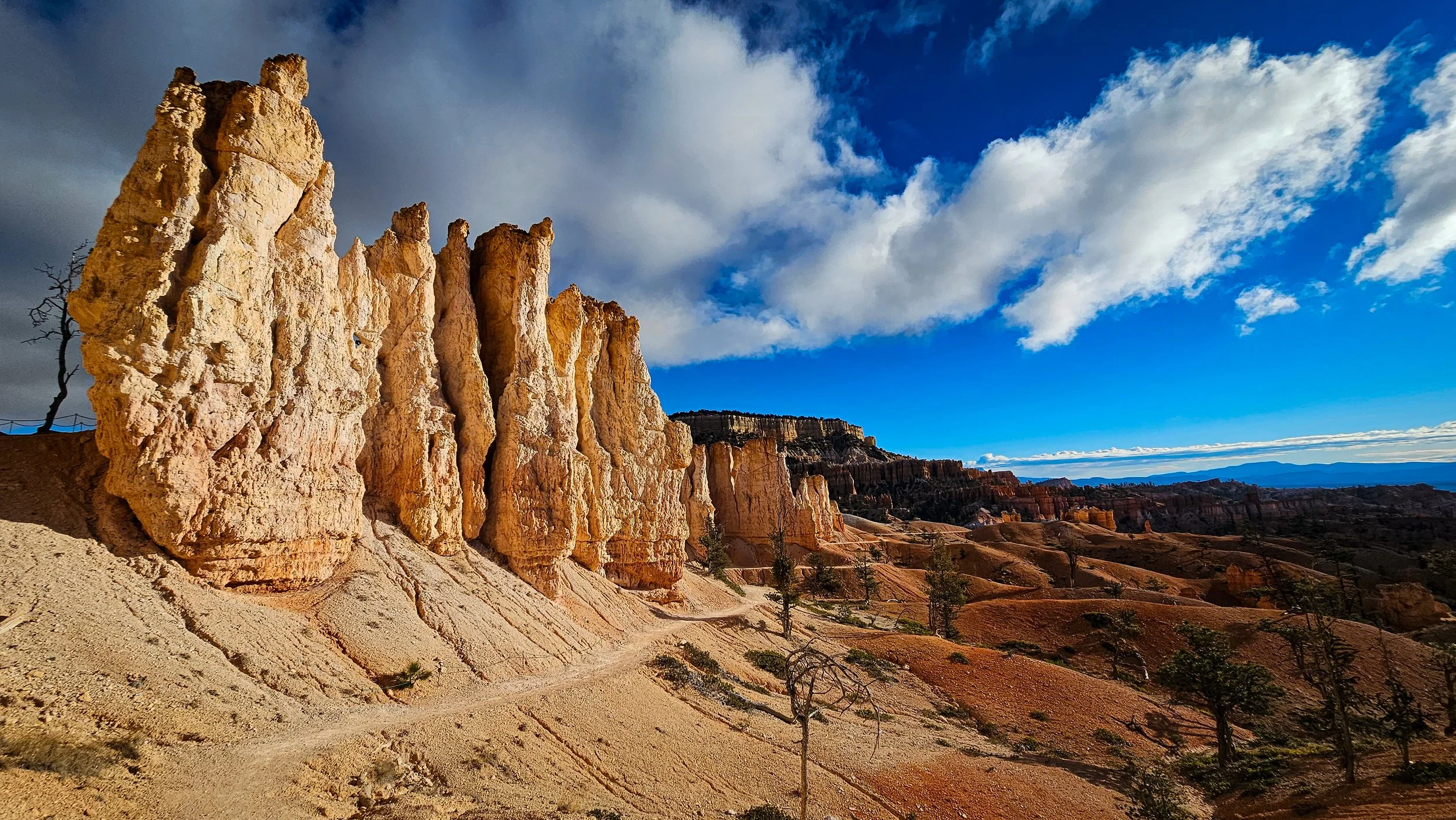
Many people arrive in the desert expecting emptiness. The landscape looks sparse at first. Fewer trees, fewer sounds, fewer obvious signs of life. Compared to the constant movement and stimulation of daily life, the desert can feel almost startling in its simplicity.
And then, if you stay awhile, something begins to shift.
Your eyes adjust. Your attention softens. You start noticing things that were there all along: a lizard disappearing between rocks, the scent of creosote after rain, wildflowers blooming from seemingly impossible places, the changing angle of light across a canyon wall. Life reveals itself differently here. More slowly. More intentionally.
The desert has a way of teaching through what it does not demand.
Without so many competing inputs, there is often more room to notice your own thoughts, your own energy, your own rhythms. Questions you’ve been carrying may become easier to hear. So might the answers.
What looks empty from a distance is actually full of relationship.
Plants, animals, water, soil, sunlight, and time are all participating in a delicate conversation about adaptation, conservation, and survival. Every living thing here has learned how to work with the conditions it has rather than the conditions it wishes for. Energy is used carefully. Growth arrives when the timing is right. Resources are shared, stored, protected, and respected.
There is wisdom in that.
The desert reminds us that enough is not the same thing as scarcity. That resilience is not about endless output. That every season is not meant for blooming.
These lessons are woven into the ecology of the landscape itself. The farther you travel into the desert, the more you begin to notice that its teachings about energy, attention, timing, and enoughness are not only ecological truths, they are deeply human ones Perhaps that’s why so many people leave the desert feeling clearer than when they arrived.
Not because the desert changed them, because it created enough space for them to hear what was already there.
PAUSE & REFLECT
Before you continue, take a moment.
What feels unnecessarily complicated right now?
Where is your energy being spent?
What would become possible if you needed less instead of more?
Desert Research + Articles
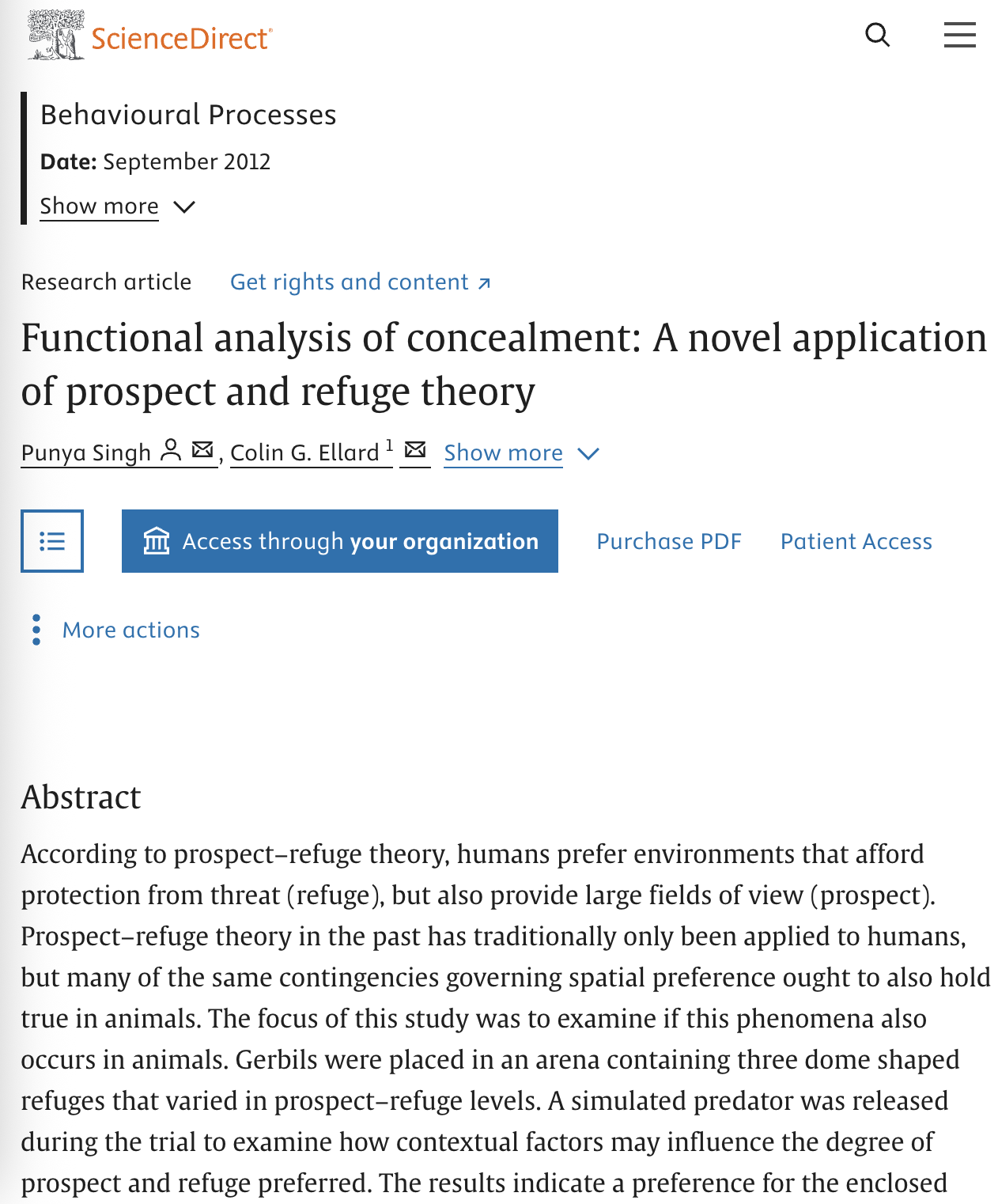
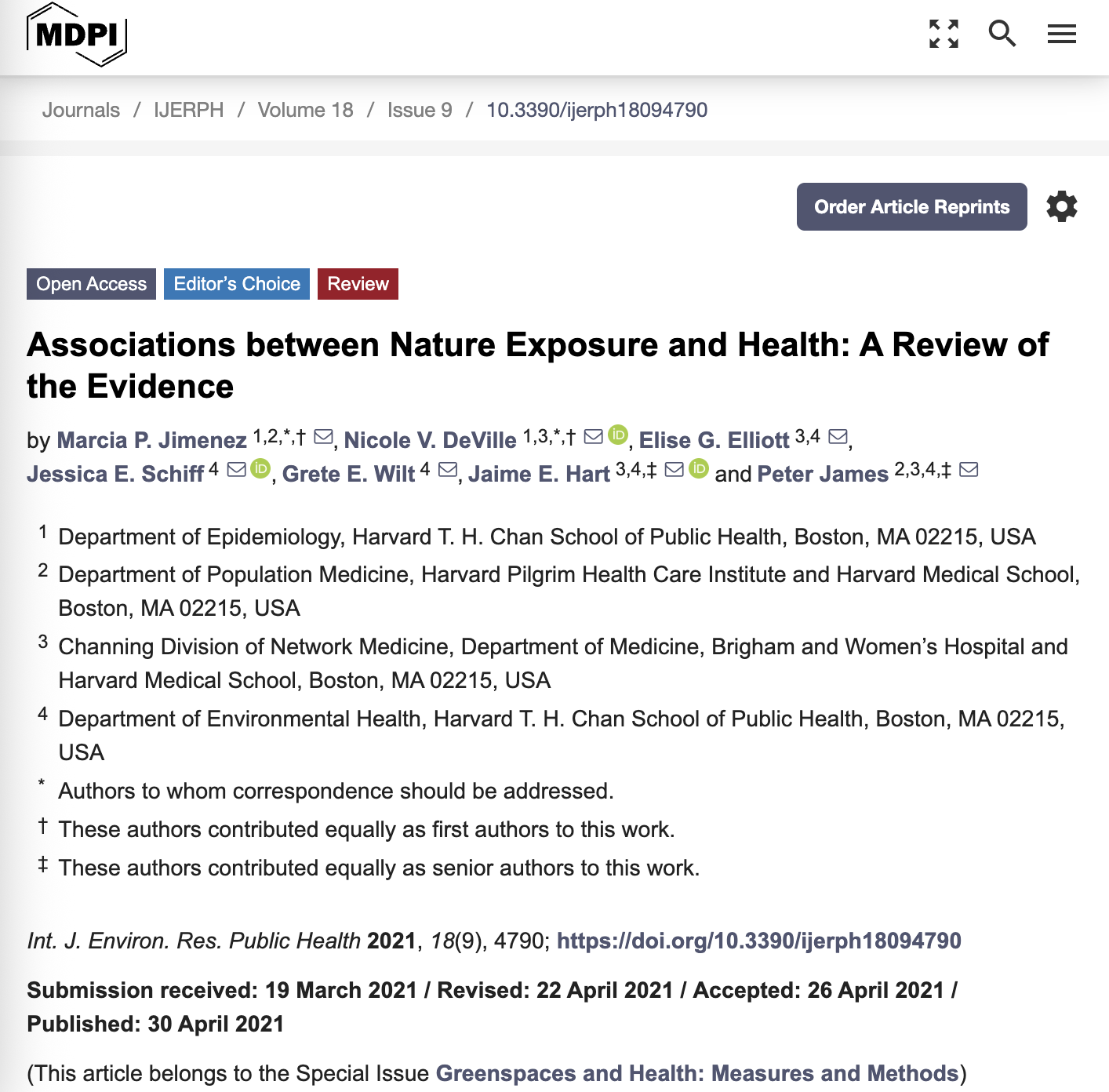
Compared to forests, parks, and other nature-based settings, relatively little research has examined desert environments specifically. This reflects a broader gap in the nature and health literature, not a lack of value in desert landscapes themselves.
Many studies have historically focused on “green space,” leaving deserts, grasslands, and other arid environments underrepresented despite supporting millions of people and countless species around the world.
The good news is that the research we do have points toward several benefits commonly associated with time spent in desert landscapes. Studies exploring brown space environments, attention restoration, awe, visibility, stress recovery, and nature connectedness suggest that deserts may support mental well-being, perspective, cognitive recovery, and reduced rumination. The qualities that make deserts unique, expansive horizons, fewer competing sensory inputs, natural quiet, adaptability, and visible relationships between energy and survival, may help explain why so many people describe feeling calmer, clearer, and more present after spending time there.
The resources below explore the science behind these benefits and help illuminate why desert landscapes can feel so restorative, spacious, and transformative. Together, they offer a growing body of evidence for something many desert lovers already know: sometimes less input creates more room to hear what matters.
WHAT YOU MAY NOTICE
While every experience is different, people often report:
Greater mental clarity
Reduced feelings of overwhelm
More spacious thinking
Easier decision-making
A stronger sense of enoughness
Less urgency
More intentional use of energy and attention
RETURN: Support Desert Landscapes
Deserts recover slowly. Small impacts can remain visible for decades.
Ways to practice reciprocity:
Stay on established trails and durable surfaces
Protect fragile biological soil crusts
Follow Leave No Trace principles
Support desert conservation organizations
Learn about Indigenous relationships with desert landscapes
Participate in stewardship and restoration projects
Advocate for responsible recreation on public lands
What if this is just the beginning?
If desert medicine resonates with you, imagine spending six weeks exploring not only the clarity of deserts, but also the gifts of mountains, the flow of water, the spaciousness of open country, the support of forests, and the wonder of dark skies.
The Different Landscapes, Different Medicines Guided Learning Series is an opportunity to deepen your relationship with each landscape through ecology, emerging research, guided reflection, stewardship, and community. Together, we’ll explore how these places can become lifelong teachers—helping us navigate change, cultivate resilience, and reconnect with ourselves and the living world.
Join us online this fall for a guided journey through six landscapes and discover what kind of medicine you need most right now.
October 14 – November 18, 2026
Join the Reciprocity Rx Collective
New here? Start in the Collective + get the free Toolkit.
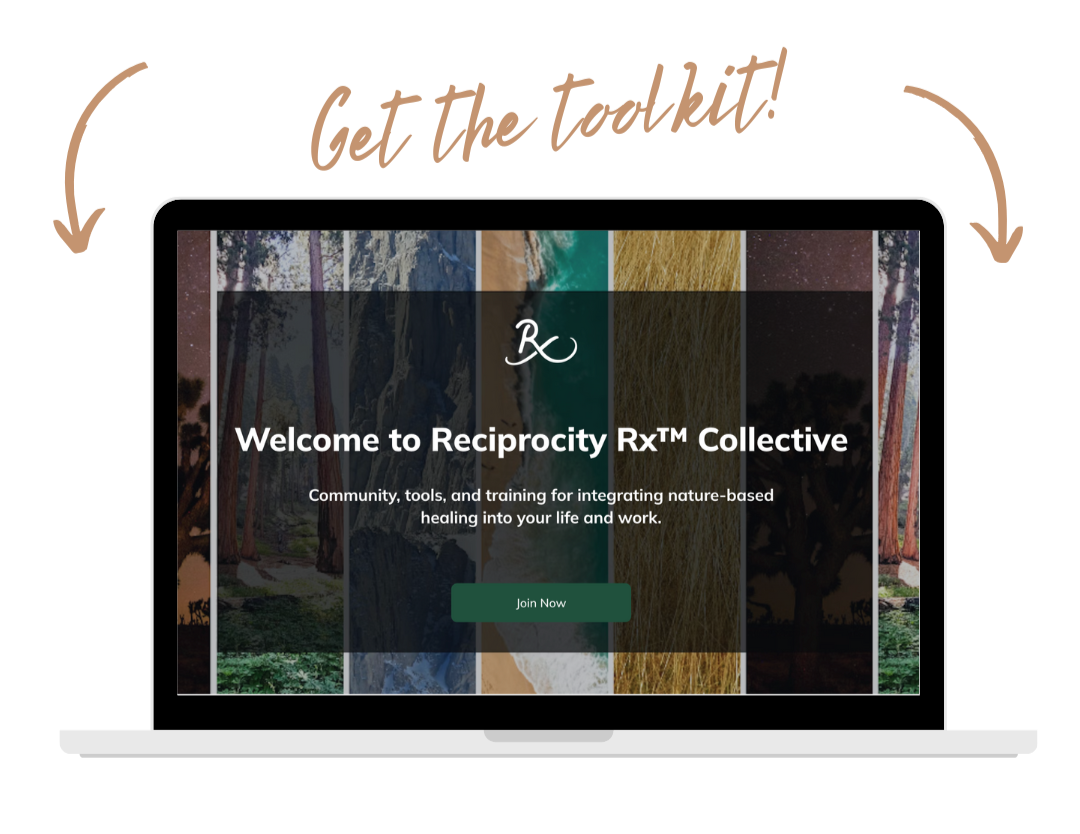
The Reciprocity Rx™ Collective is our online community and gathering space for people exploring the connection between nature, health, stewardship, and relational healing. Inside, you’ll find our free Reciprocity Rx™ Toolkit, seasonal practices inspired by our Different Landscapes, Different Medicines curriculum, guided reflections, community conversations, stewardship opportunities, and ongoing support for building a more grounded, connected relationship with yourself and the living world around you.
Whether you’re just beginning your nature connection journey or looking for sustainable ways to deepen your existing practice, the Collective offers accessible tools and gentle accountability designed to help you reconnect through the rhythms of Receive, Reflect, Return, and Reconnect. Join us for seasonal challenges, landscape-based practices, live gatherings, and a supportive community rooted in reciprocity, curiosity, and care.
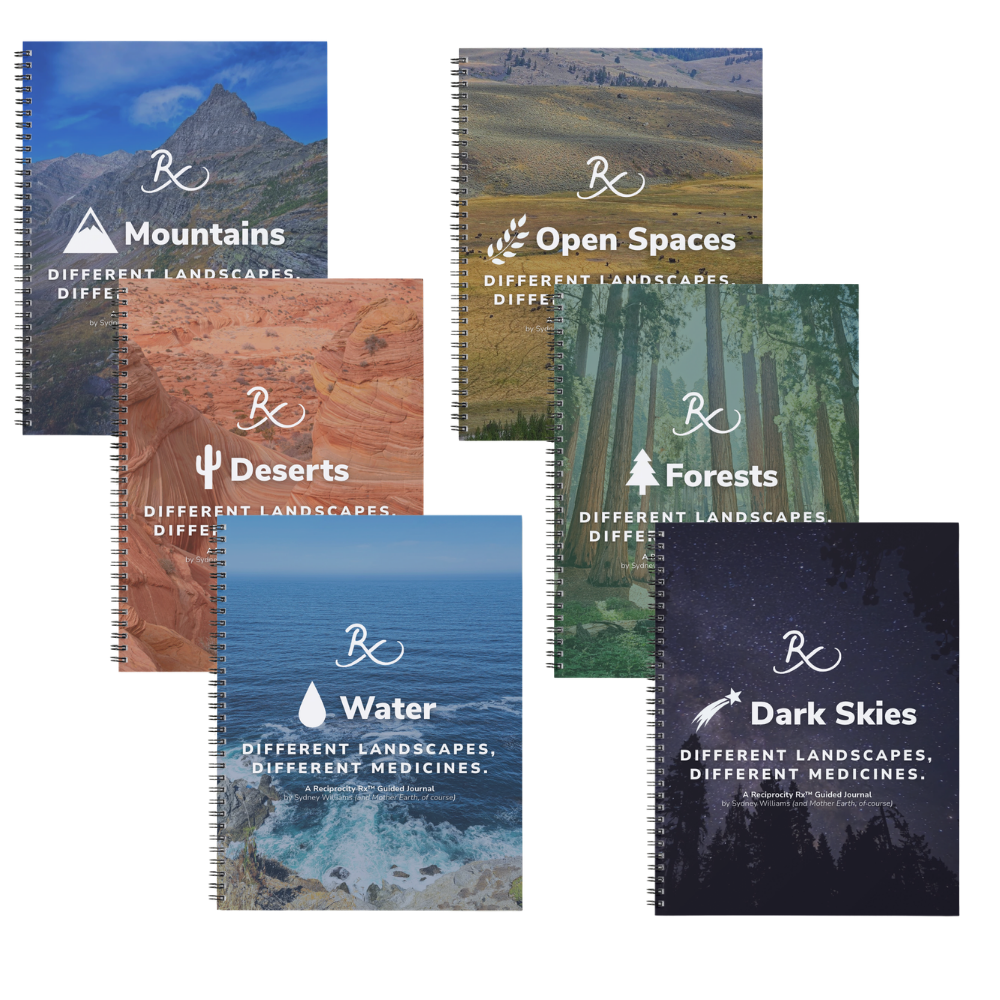
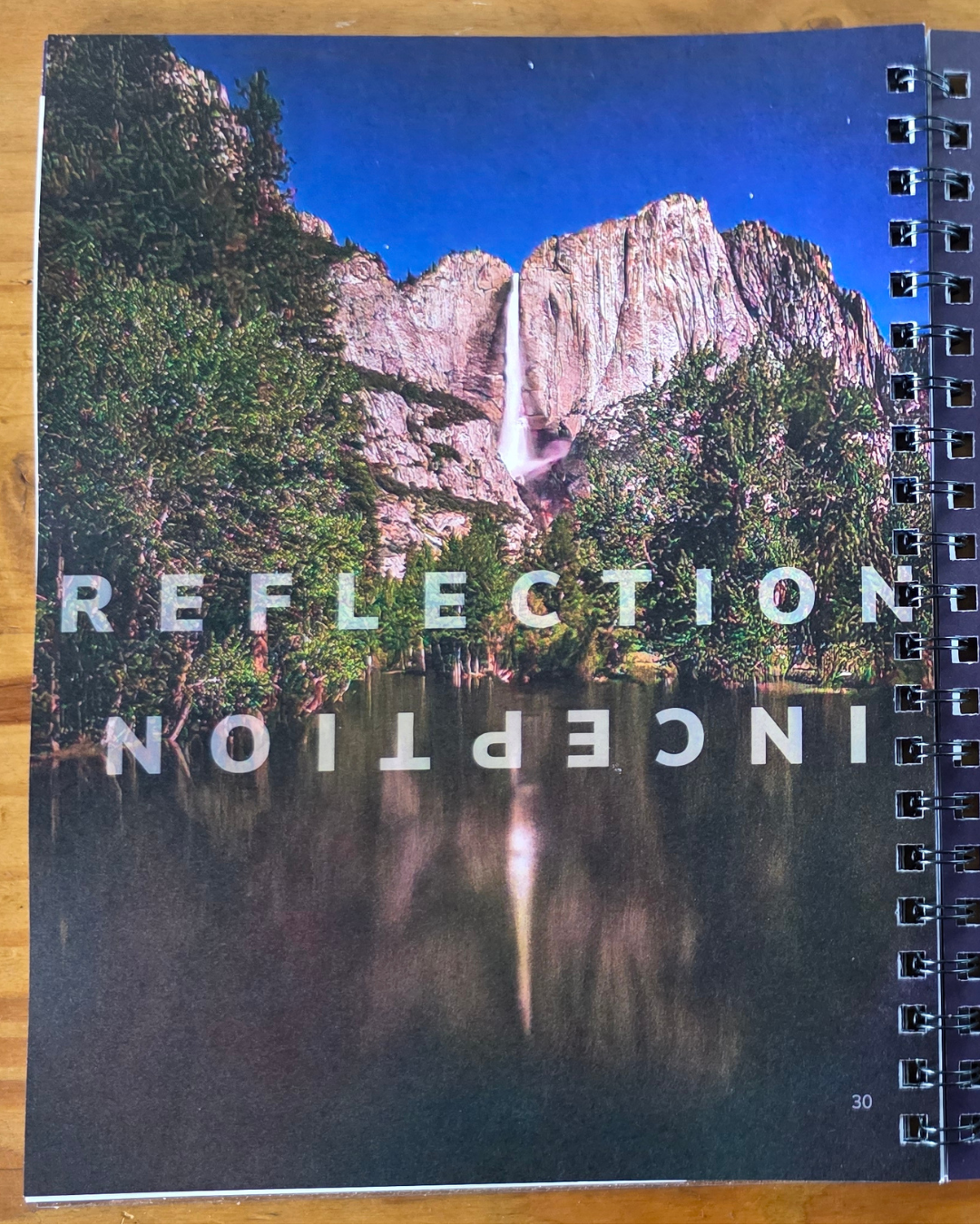
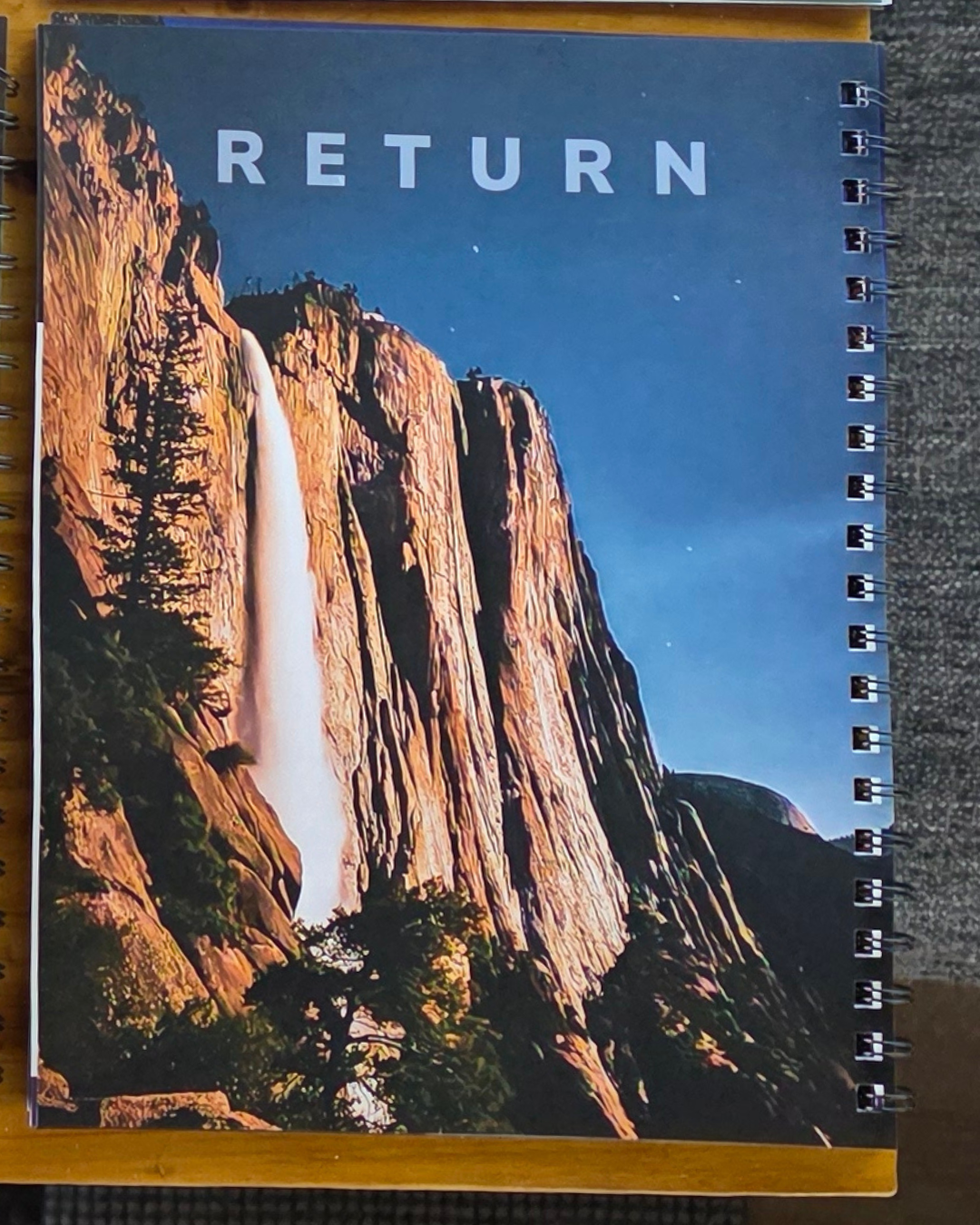
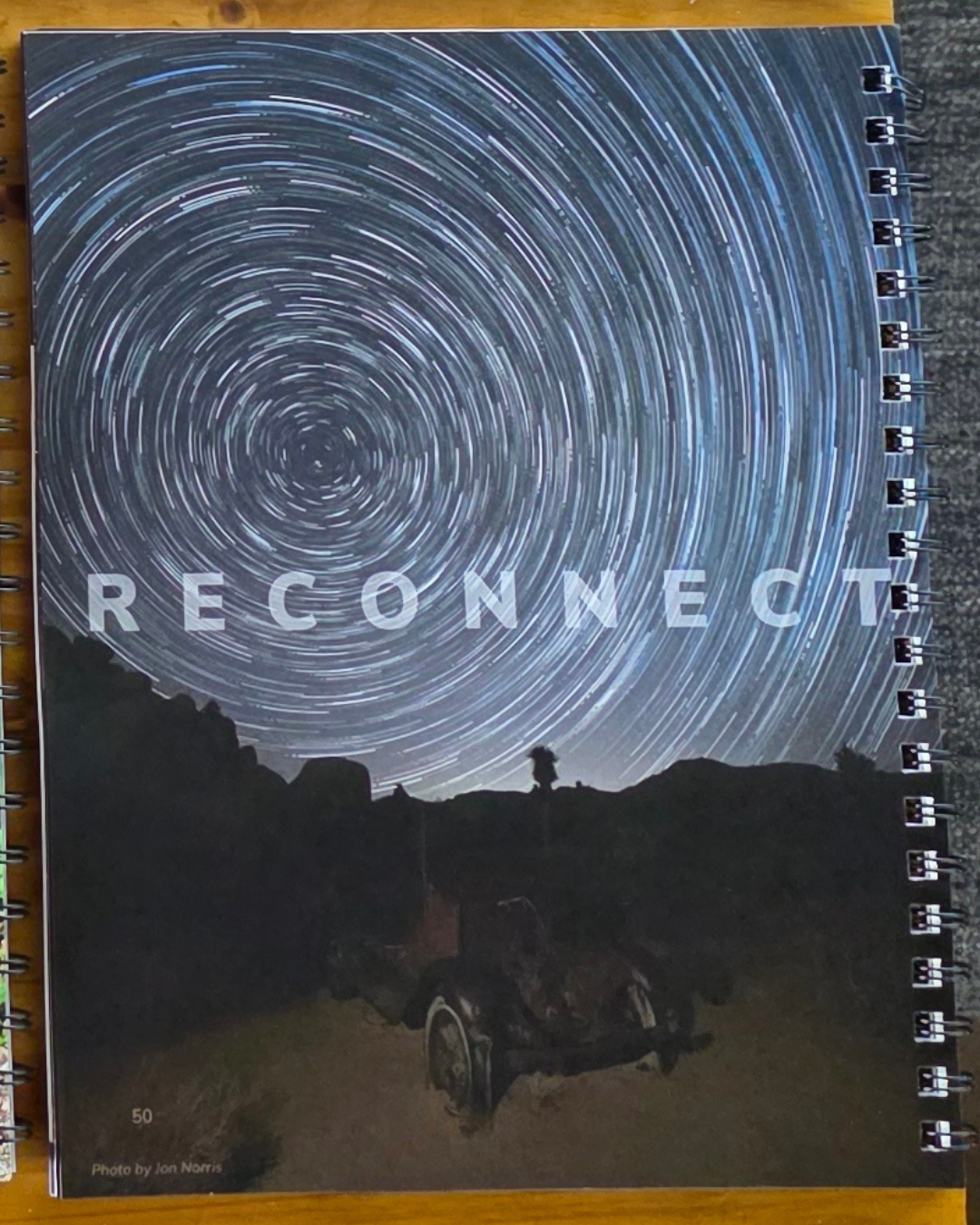
The Reciprocity Rx™ Guided Journals are immersive, landscape-based companions designed to help you reconnect to yourself and the living world through reflection, science, stewardship, and relationship with place. Rooted in the Reciprocity Rx™ framework and inspired by Different Landscapes, Different Medicines, each 57-page journal combines evidence-based nature connection practices, guided prompts, sensory rituals, beautiful photography, and field-based exercises that help translate time outside into meaningful personal insight and sustainable everyday practice.
Inside, you’ll find landscape-specific teachings, grounding exercises, reflection prompts, integration rituals, stewardship practices, and guided experiences built around the rhythms of Receive, Reflect, Return, and Reconnect. Whether you’re standing beneath a dark sky, sitting beside water, walking through a forest, driving through open country, hiking in the mountains, or finding clarity in the desert, these journals are designed to help you slow down enough to notice what the landscape is offering you physically, emotionally, mentally, and relationally.
These journals are intentionally flexible and accessible. Use them on a camping trip, road trip, backpacking adventure, retreat weekend, beach day, neighborhood walk, predawn coffee ritual, or quiet evening on your porch. Use them when you’re burned out and need rest. When you feel disconnected and need perspective. When your nervous system feels crowded and overstimulated. When you’re processing grief, navigating change, craving creativity, rebuilding trust with yourself, or simply trying to remember what it feels like to breathe a little deeper and move a little slower again.
Reciprocity Rx™
Guided Journals
What Landscape Medicine Do You Need Right Now?
Deserts are one expression of the Different Landscapes, Different Medicines framework.
If you’re seeking:
Clarity & Simplicity → Desert
Perspective & Resilience → Mountains
Flow & Emotional Movement → Water
Belonging & Support → Forests
Creativity & Spaciousness → Open Spaces
Rest & Wonder → Dark Skies
Different landscapes support us in different ways, and the relationship is always evolving. Explore other landscapes below.
-
![]()
⛰️ Mountains
Perspective Changes Everything
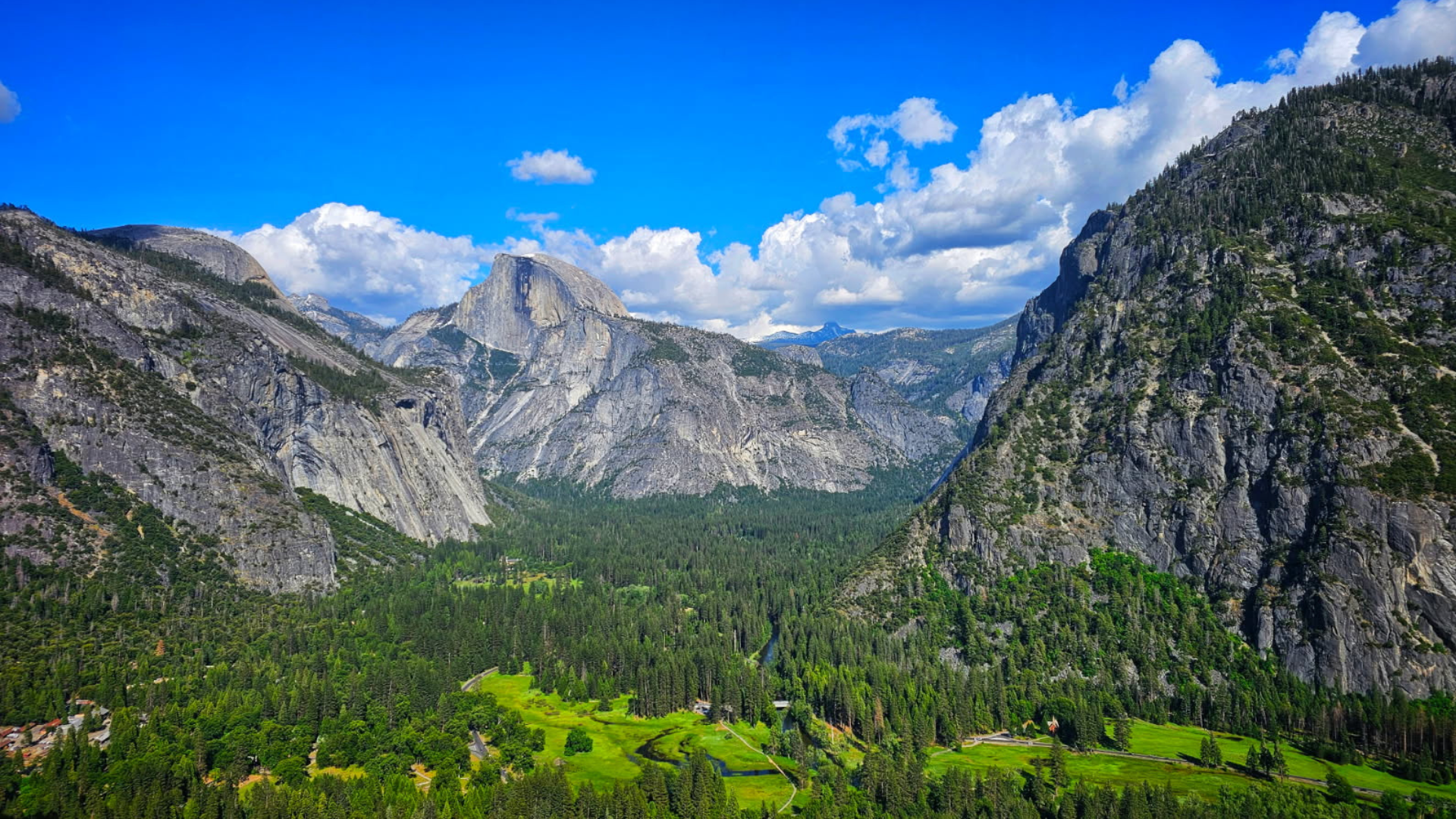
Mountains offer the medicine of awe, resilience, confidence, and the long view. They remind us that growth takes time and challenges often look different when viewed from a wider perspective.
Best for: Perspective, life transitions, purpose, and long-term thinking.
-
![🏜️ Deserts: Clarity Emerges Through Simplicity]()
🏜️ Deserts
Clarity Emerges Through Simplicity
Deserts reduce noise and invite attention. They teach us about enoughness, intentionality, energy conservation, and what remains when distractions fall away.
Best for: Clarity, reducing overwhelm, simplicity, focus, boundaries, and intentional living.
-
![]()
🌊 Water
Support is Natural
Water teaches adaptability, embodiment, emotional movement, and trust. It reminds us that support is not something we earn, but something life depends upon.
Best for: Stress relief, emotional well-being, nervous system regulation, embodiment, recovery, and flow.
-
![]()
🌾 Open Spaces
Growth Requires Room
Wide horizons create space for possibility. Open landscapes invite creativity, perspective, imagination, and room to become.
Best for: Creativity, mental clarity, reducing mental clutter, possibility, freedom, and spaciousness.
-
![]()
🌲 Forests
Resilience is Relational
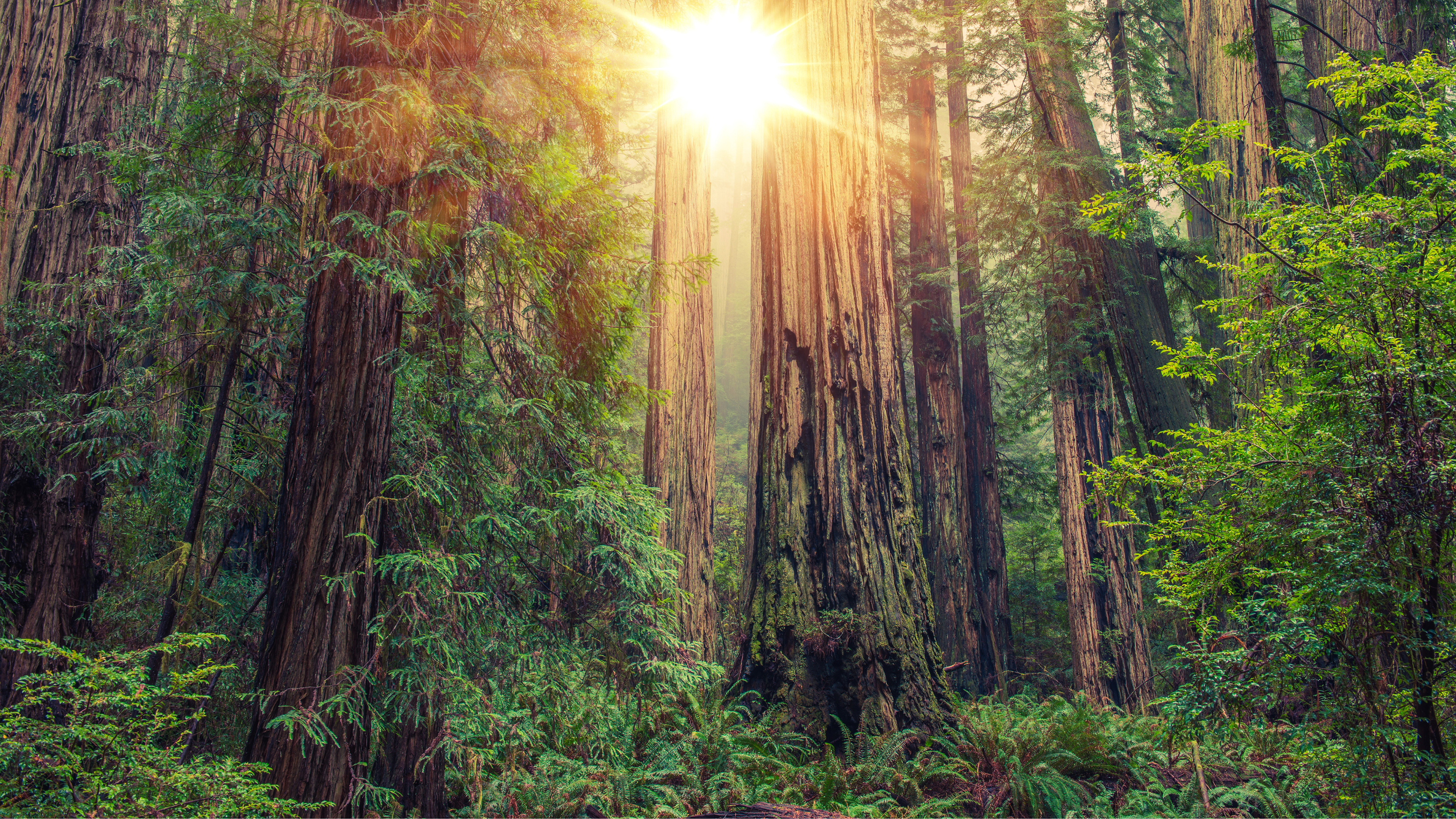
Forests remind us that thriving rarely happens alone. Beneath the canopy, connection, reciprocity, and support sustain entire ecosystems.
Best for: Belonging, grief support, connection, renewal, nervous system recovery, and relationship-building.
-
![🌌 Dark Skies: Darkness Is Orientation]()
🌌 Dark Skies
Darkness is Orientation
Dark skies reconnect us to rest, wonder, natural rhythms, and the larger story we belong to. They remind us that not everything needs to be illuminated to be understood.
Best for: Rest, burnout recovery, awe, circadian health, perspective, and wonder.